13 amazing things to see during the total solar eclipse on Aug. 12
Mention that a total solar eclipse is coming, and almost nobody will say, "Wow, we get to see the solar corona!" That's despite the sun's tenuous outer atmosphere being the number one sight during totality — a genuine jaw-dropper.
Instead, the focus on social media is always on the darkness during the day, arguably the least interesting — but easiest to grasp — aspect of a total solar eclipse. It's no wonder that many people misunderstand and underestimate them, and think of eclipse chasers as a little odd.
But that's not the half of it. There are dozens of things to see and experience during a total solar eclipse, so many that we've put together a checklist of things to see as you're swallowed by the moon's shadow. Here's what you may experience during the solar eclipse on Aug. 12, 2026, roughly in the order they occur from first contact — when the moon begins to eclipse the sun — to fourth contact, when it departs.
1. Sunspots
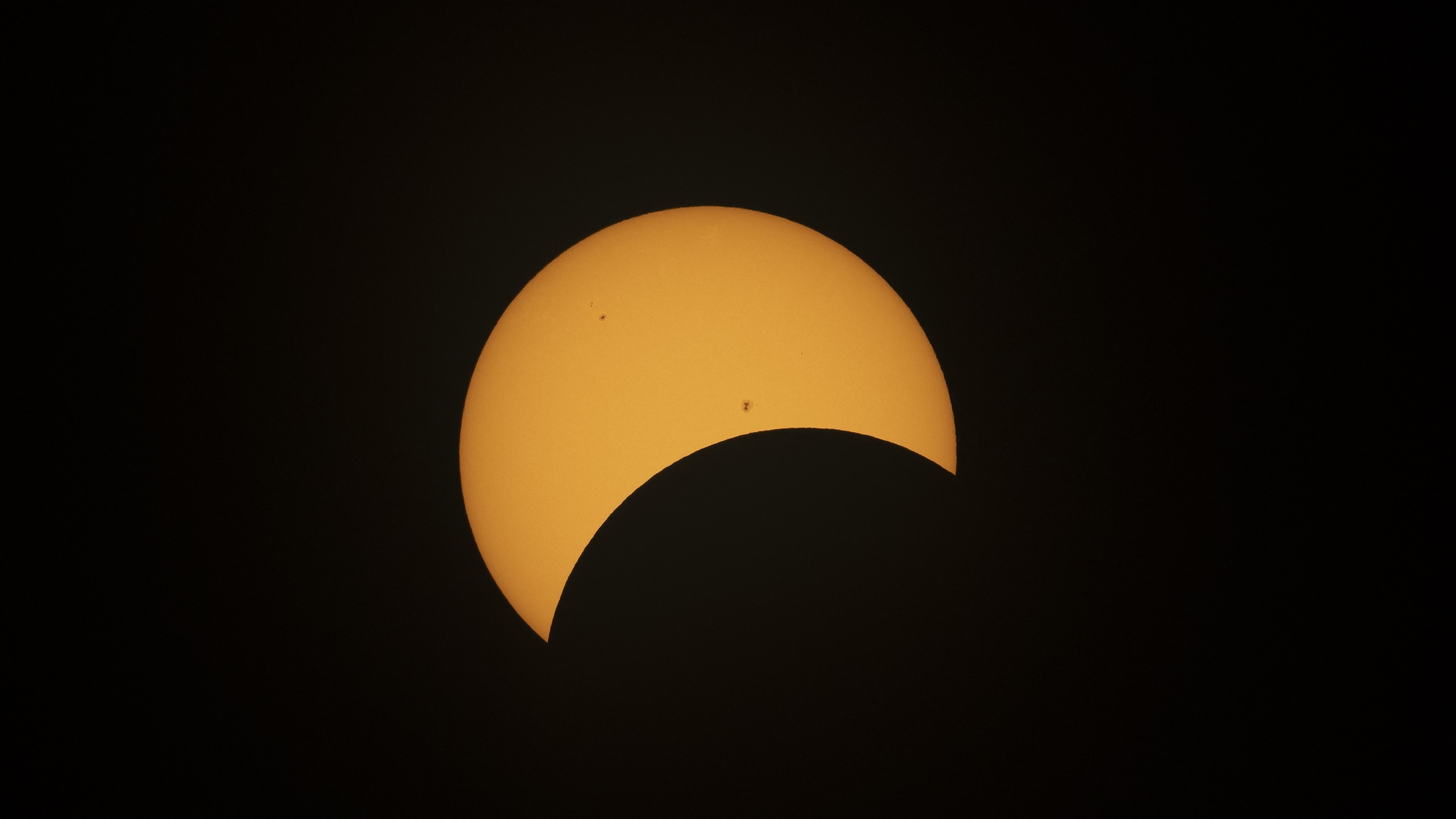
Here's one everyone in both the partial and total eclipse zones can see on Aug. 12, 2026. As the moon's silhouette moves across the sun, look through your ISO-certified safe solar eclipse glasses/solar filters. With luck, you'll see the edge of the moon move across dark spots on the solar surface. These are sunspots, cool patches where the sun's magnetic field is concentrated and complex. They're where solar flares come from.
2. Planets
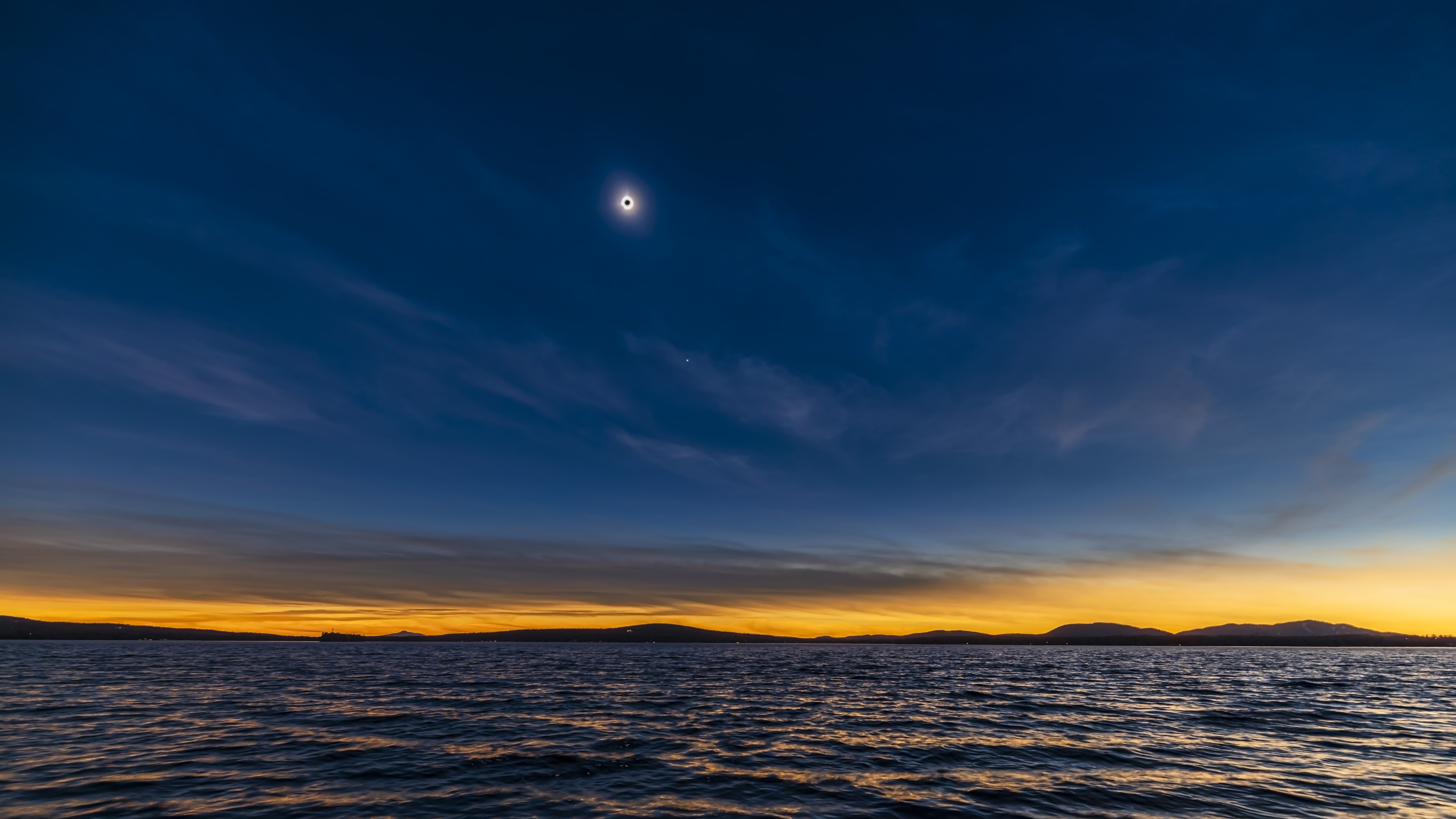
You'll often hear someone shout, "There's Venus!" during the totality phase of a total solar eclipse, to which your response should rightly be: "Who cares?" as you focus on the much rarer sight of the solar corona. The correct time to look for planets is about 15 minutes before totality, when — on Aug. 12, 2026 — Jupiter will appear about 11 degrees west-northwest, with tiny Mercury about 4 degrees beyond. Venus will be much farther away, about 46° east-southeast of the sun, but easy to see. Mars will be low in the west, but much more difficult to see.
3. Crescent-shaped shadows
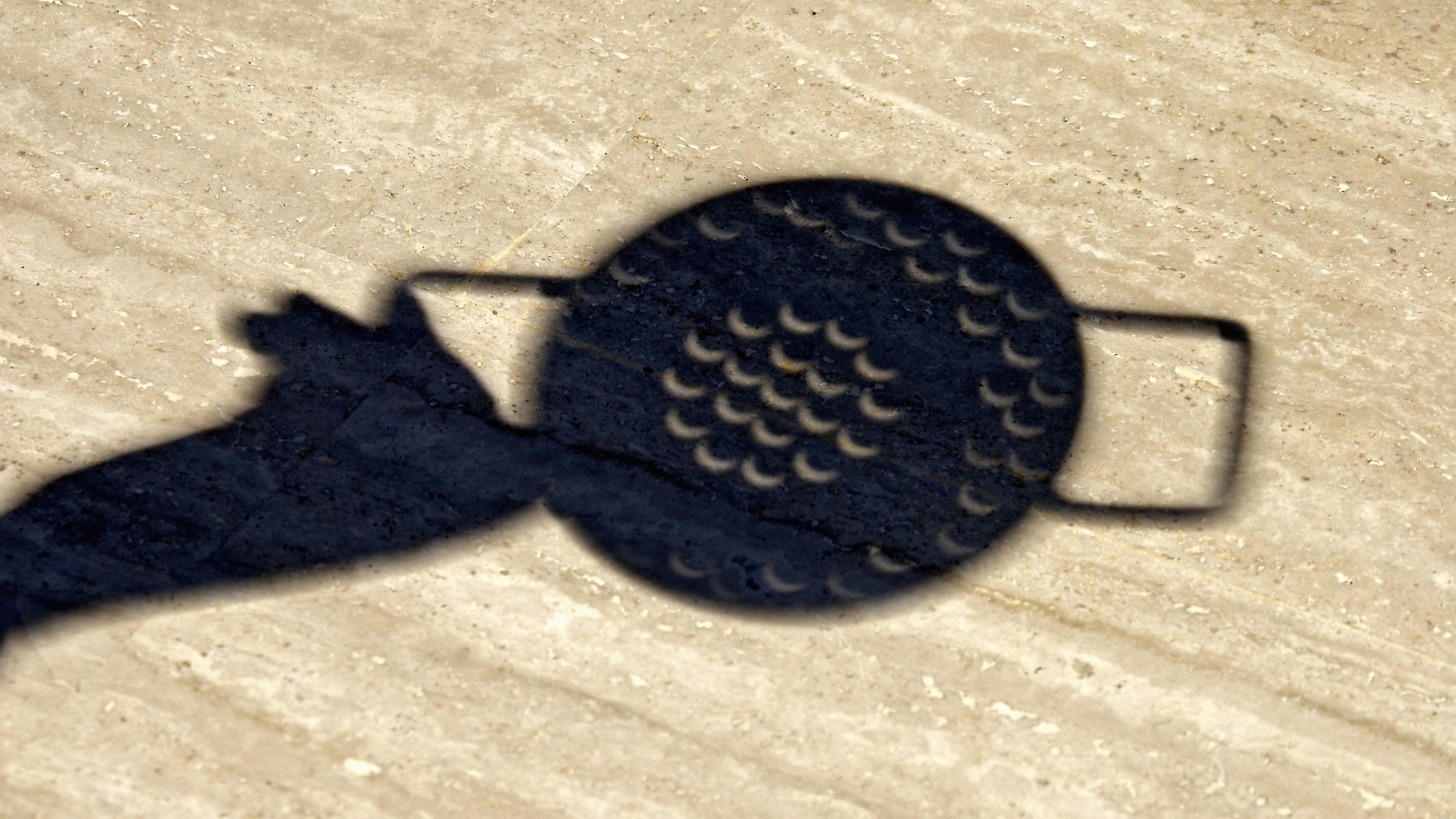
Here's another one everyone can look out for during a deep partial solar eclipse. When over 50% of the sun is eclipsed, crescent-shaped shadows begin to appear on the ground beneath trees. It's sunlight passing through tiny gaps, which act like the aperture control on a camera. The best way to see them is to grab a colander or spaghetti spoon — or anything with small, defined holes. Failing that, cross your fingers in a waffle pattern and you'll project diffuse crescents.
4. Shadow bands
Here's one for eclipse chasers in Spain. About two minutes before and after totality, it's sometimes possible to see wavy lines on white surfaces. It's the reduced light from the crescent sun being refracted by atmospheric turbulence, and, for some reason, it's much more noticeable when the eclipse is low in the sky — as it will be from Spain. They're called shadow bands or "shadow snakes". Pack as large a white sheet as you can (or borrow one from your bemused hotel).
5. Plunging light and heat
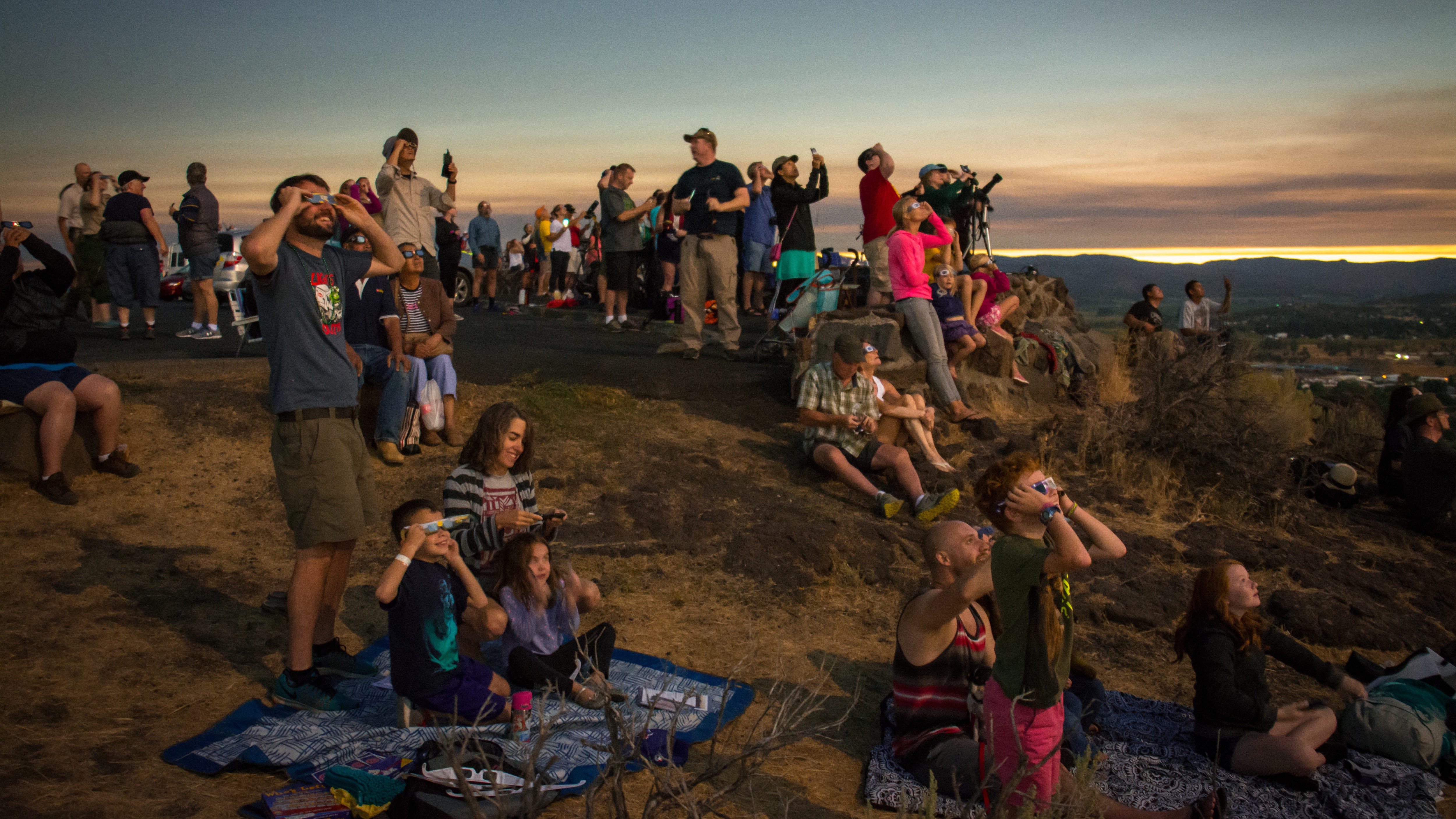
As the partial eclipse reaches about 80%, you'll begin to notice it getting cooler. By the time it's just seconds before totality, it will be chilly as the light levels around you crash like nothing else you have experienced. "Darkness in the day" does not do it justice — it's as if the world is ending. Even experienced eclipse chasers get a knot in their stomach about now as a primordial fear kicks in. That feeling is not helped by looking at the others around you, who, in the eerie, silvery light, suddenly look almost ghoulish.
6. The moon's shadow
This is a tricky thing to see. The prelude to totality is the arrival of the moon's umbral shadow, which will race across observers at about 2,200 mph (Greenland and Iceland) to about 12,000 mph (in eastern Spain, where the shadow is by then oblique and about to skip off the Earth). You'll need an elevated position — perhaps the side of a valley — looking northwest for this sight, and preferably a relatively uniform landscape. It's something you can attempt to capture using a GoPro or similar.
7. Diamond rings and Baily's beads
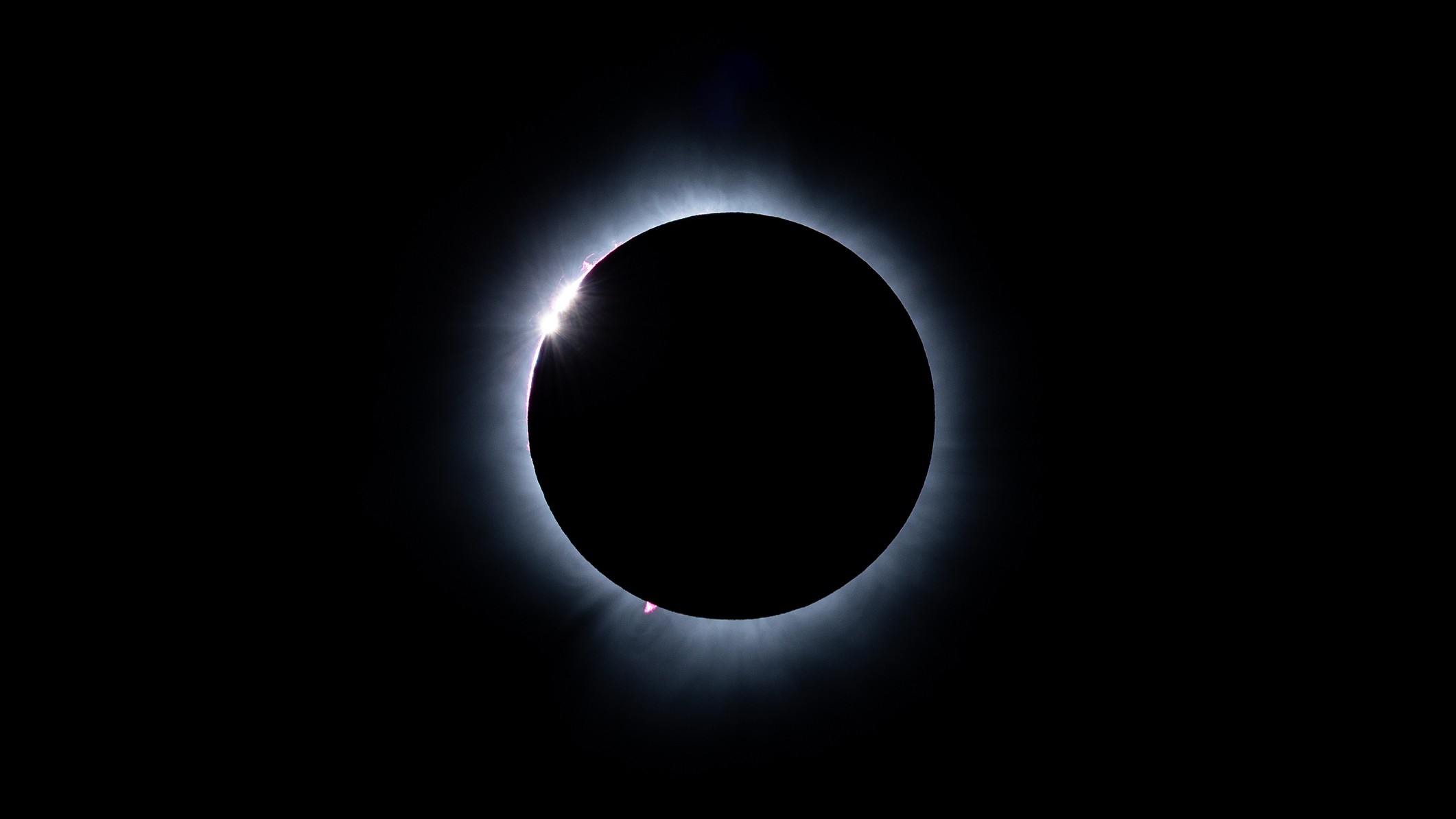
These are trademarks of totality, but require care to see. As the eclipse nears totality, a spectacular drop of sunlight (the diamond ring) breaks into tiny so-called Baily's beads of light streaming through the moon's valleys. When the final bead vanishes, totality begins. The opposite happens a few minutes later at the end of totality, when a Baily's bead appears, then a few more, quickly coalescing into a second diamond ring. Do what experienced eclipse chasers do and ignore the first round — you'll just end up with an after-image in your eyes, which will affect your vision just as the corona pops into view. Besides, it's the second diamond ring that's the real "wow" moment that ends totality. Its arrival means it's time to put your solar eclipse glasses back on.
8. Solar corona
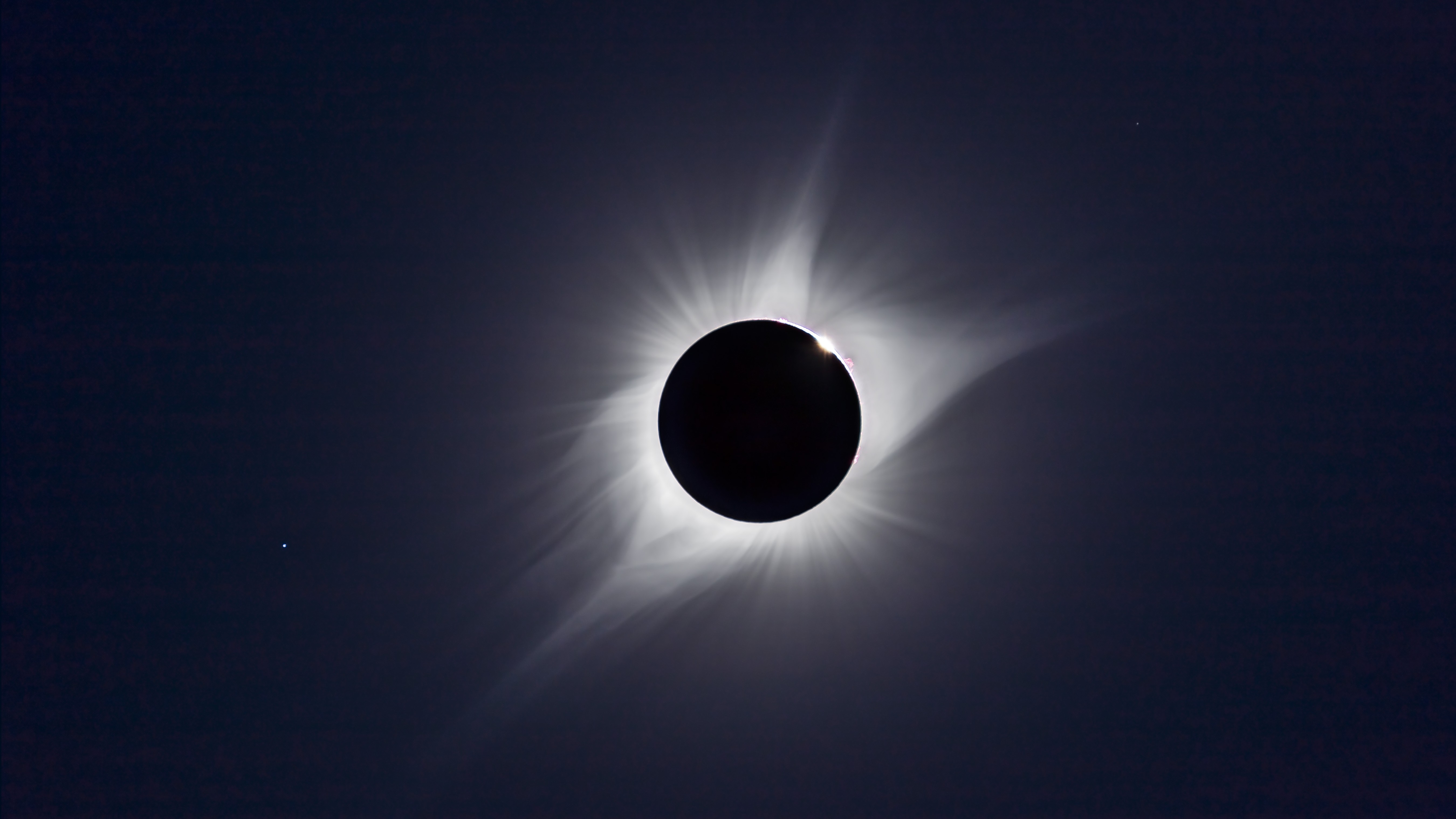
This is what you came to see. The sun's corona, its outer atmosphere, is where solar flares and coronal mass ejections come from. It's the hottest part of the sun. It's always there — but hidden from view by the much brighter surface of the sun, its photosphere. Only when the photosphere is blocked by the moon — totality — can the corona be seen. During this time, it's essential that you remove your solar eclipse glasses to see the tenuous halo around the silhouette of the moon. It's a surreal and remarkable sight. Should you bring binoculars just to look at the corona during totality, even if it's only for a few seconds? Yes! This may be the most beautiful thing you will ever see.
9. Solar chromosphere
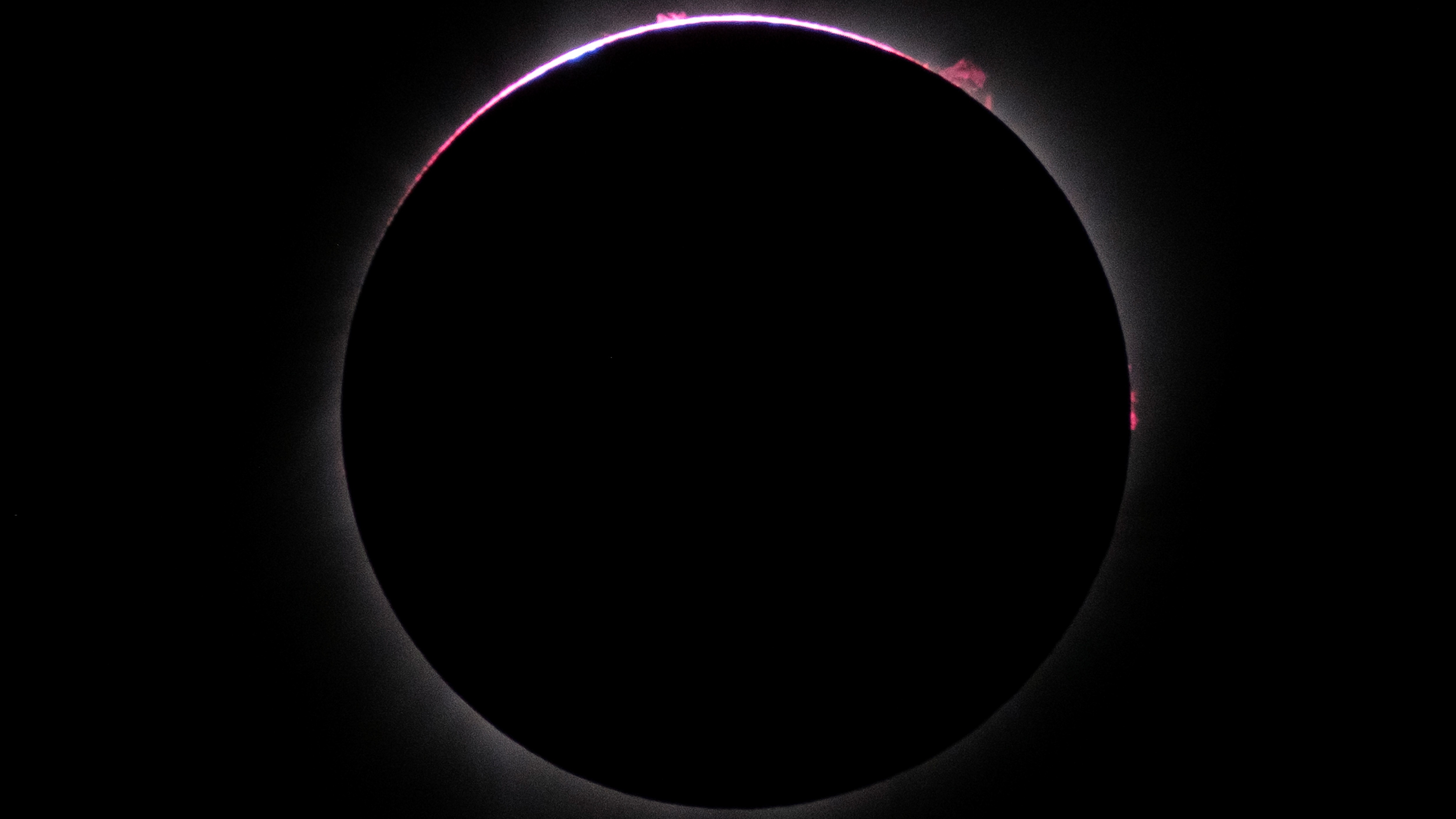
Just after totality begins and just before it ends, a thin crimson line appears where the diamond ring just was and is about to be. This is the chromosphere, a layer of the sun's atmosphere just above the photosphere. It's a fleeting sight used by scientists to capture a "flash" spectrum that shows exactly what chemical elements are in the sun's atmosphere.
10. Solar prominences
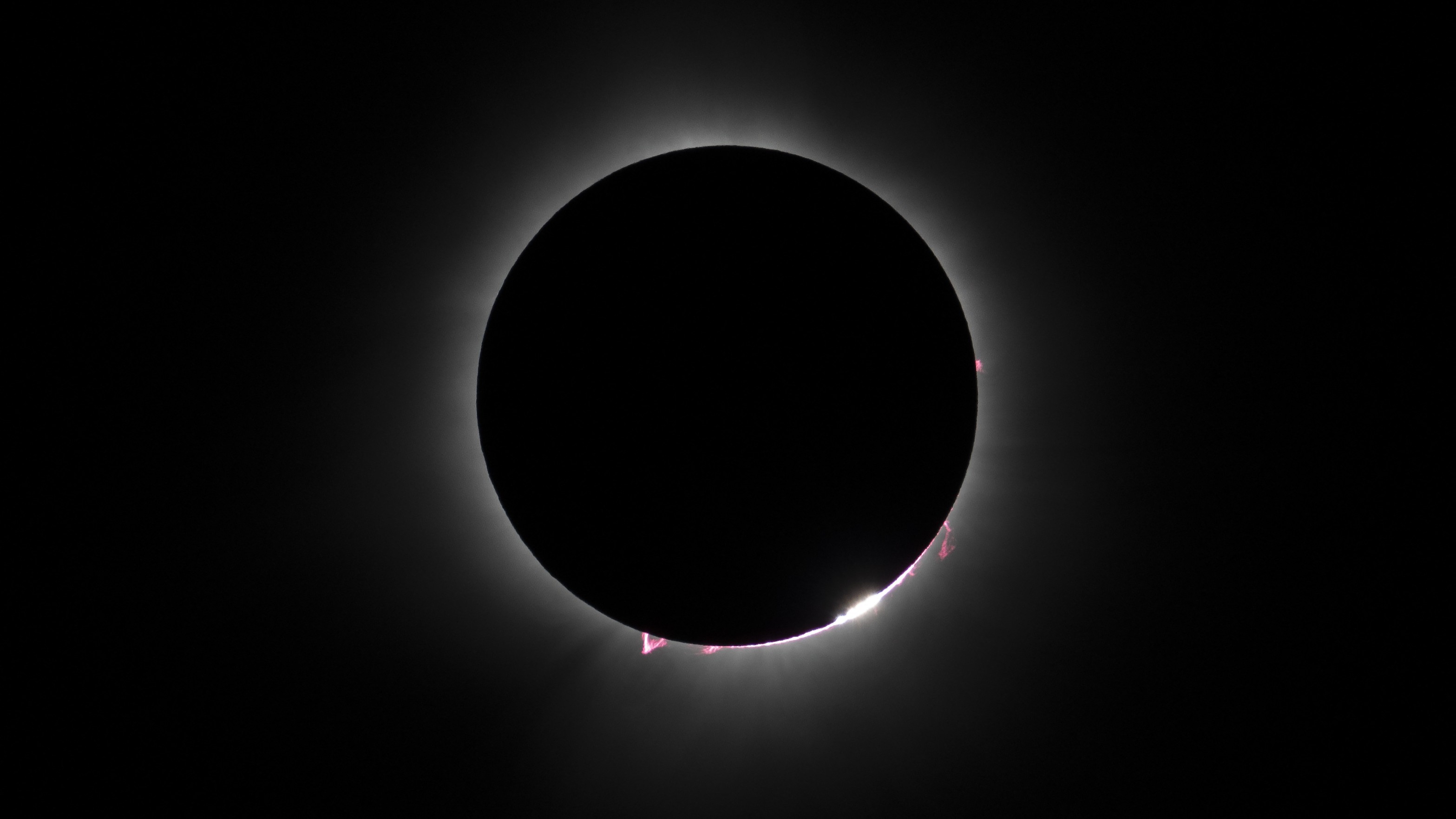
One of the most surprising aspects of witnessing a total solar eclipse is a view of prominences during totality, bright pink spikes or loops that appear around the moon's silhouette. These are cool plasma structures extending from the chromosphere into the corona, usually lasting days or weeks. They're particularly obvious when the sun is close to solar maximum — as it is right now.
11. Totality 'sunset'
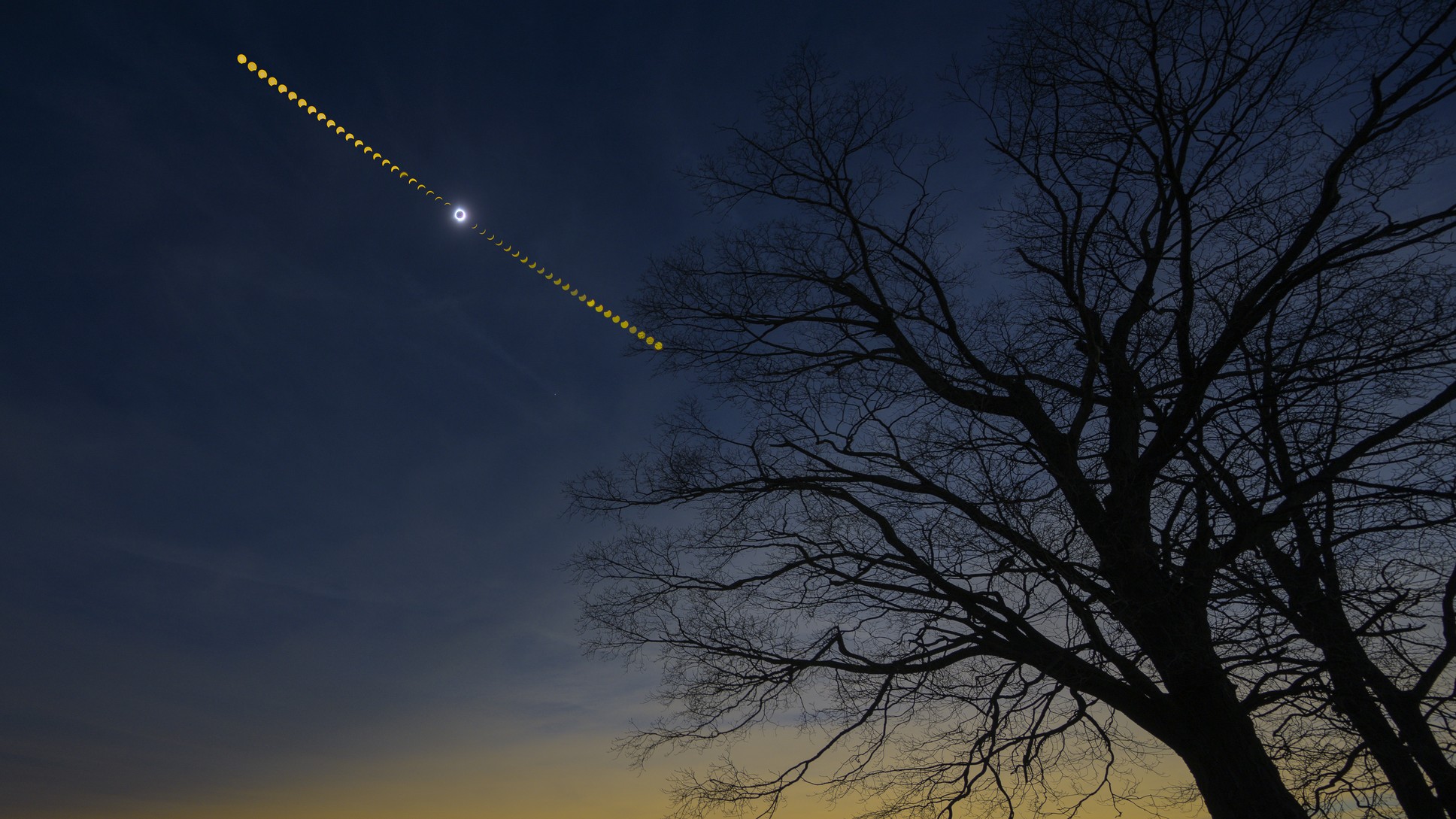
Totality will be short for many eclipse chasers on Aug. 12, 2026, but if you can take your eyes off the solar corona, glance at the colors in the sky close to the horizon — it looks like a 360-degree sunset. If it's cloudy and you miss the corona, the colors around you can be particularly memorable.
12. Meteors
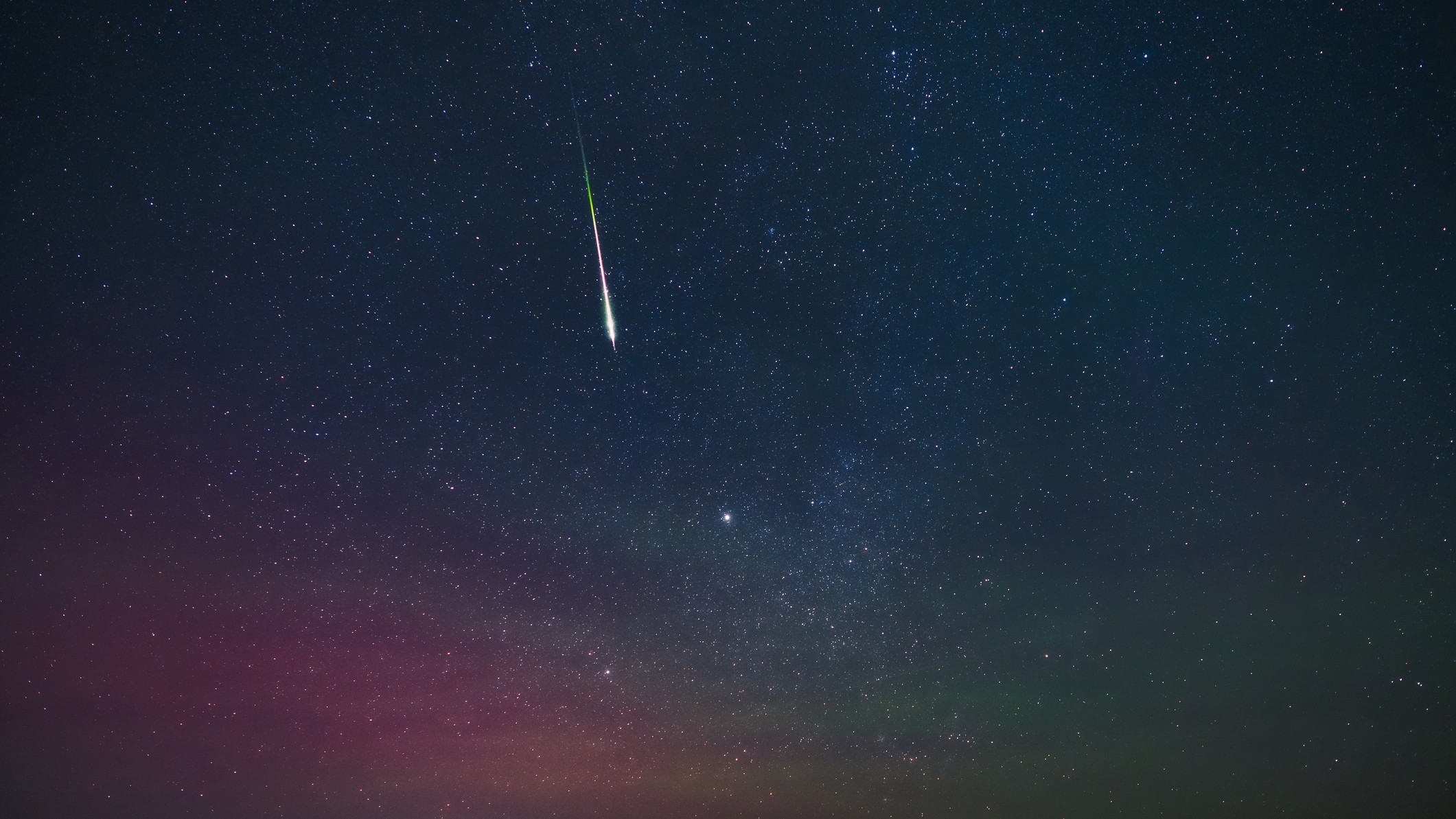
By remarkable coincidence, the total solar eclipse on Aug. 12, 2026, comes only a few hours before the peak of the annual Perseid meteor shower. Expect about 20-40 "shooting stars" to be visible every hour around midnight and into the early hours of Aug. 13, though among eclipse chasers, those in rural Spain will have a better chance since there are more hours of darkness than in Iceland and Greenland. Could there be a "shooting star" during totality? It's possible — but to see it, you'd have to be looking away from the solar corona, which would be a mad thing to do.
13. Aurora borealis
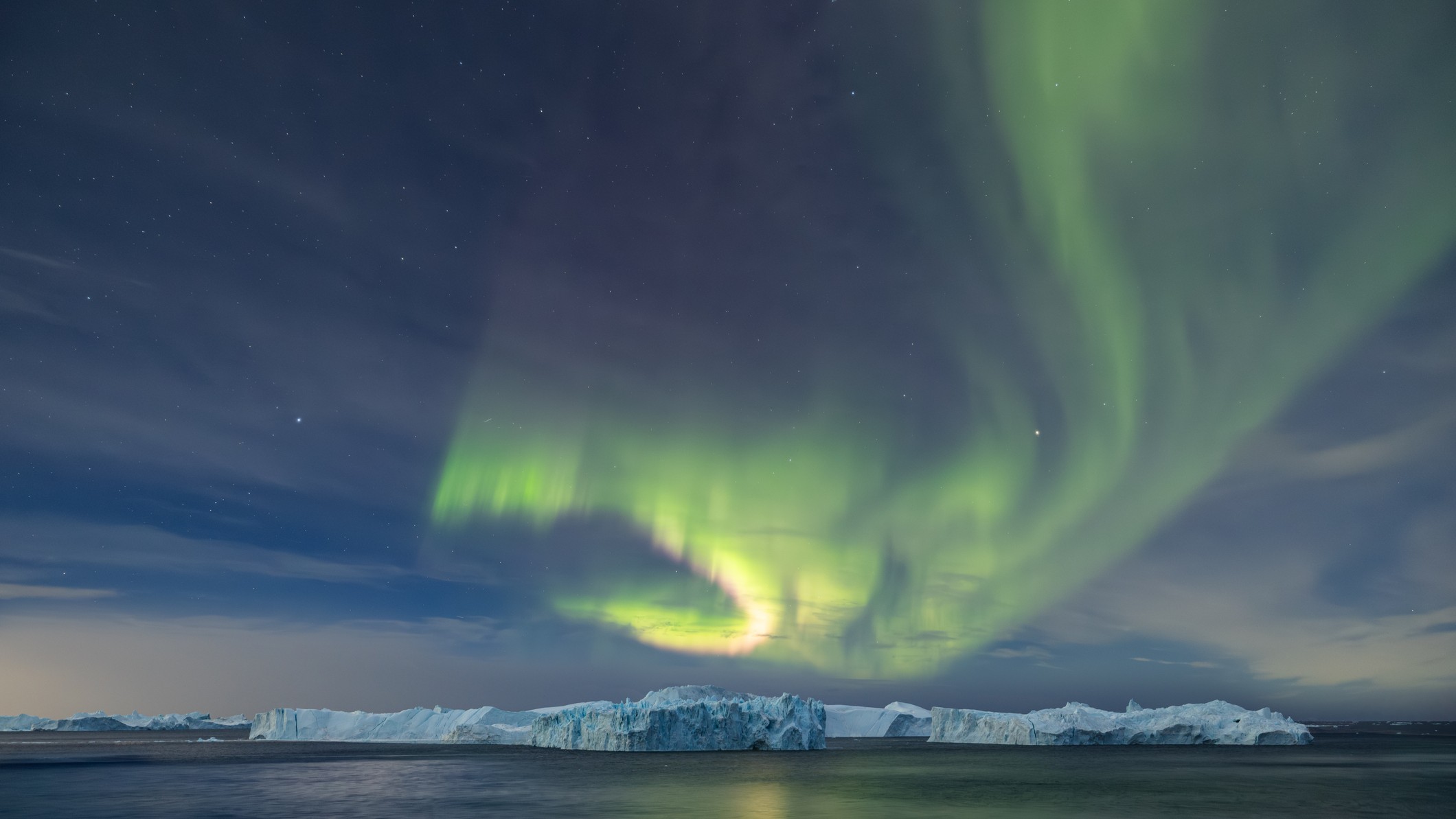
Is it a long shot? Yes. Is it possible? Also yes. The specter of the aurora borealis appearing during totality in the skies above Iceland and Greenland during totality is getting eclipse chasers excited. The reality is that totality is never as dark as people think — it's a twilight — plus aurora on the day-side of Earth is not nearly as strong as on the night-side. It could happen — though more likely is a display of the northern lights late at night, particularly in Iceland, where the night sky does get sufficiently dark in mid-August, and auroras are commonly seen at that time of year.
from Latest from Space.com https://ift.tt/JoQrg0B
Comments
Post a Comment